Termite Tenting in Bellingham, WA
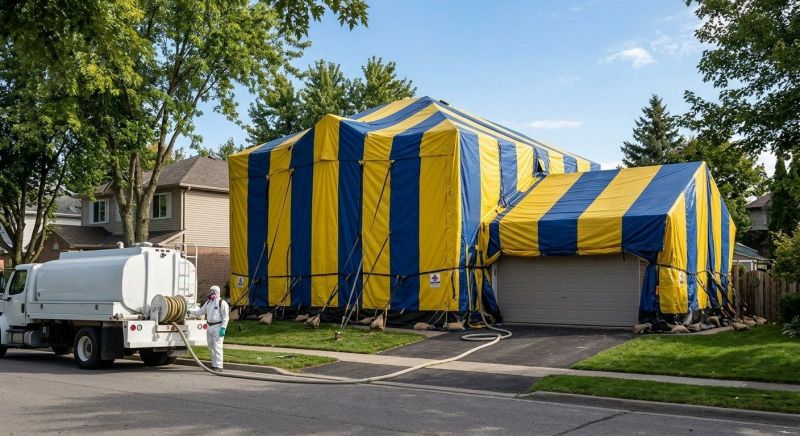
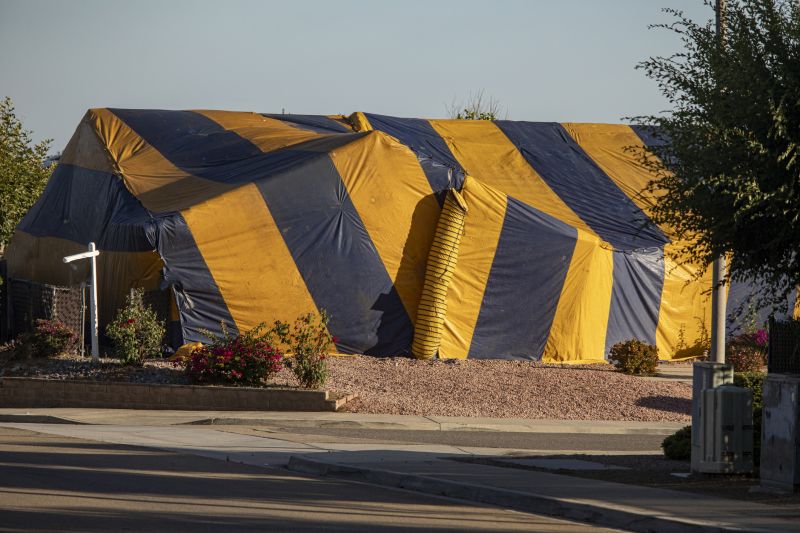
Termite tenting services involve enclosing a property in a specialized tent to safely apply a fumigation treatment that eradicates termite colonies. This method is typically used for severe infestations or extensive damage, covering residential homes, multi-unit buildings, and larger properties. Homeowners considering this service should understand that it involves temporarily vacating the premises during treatment, and it is most effective for eliminating termites that have established deep or widespread colonies within the structure.
Before requesting termite tenting, property owners often want to know about preparation requirements, such as removing food, plants, and pets from the premises, as well as the duration of the treatment process. It is also important to consider post-treatment procedures, including ventilation and clearance testing, to ensure the property is safe for re-entry. Understanding these details helps ensure a smooth process and effective termite control.
Many property owners in Bellingham, WA look into Termite Tenting for repairs, replacements, upgrades, and appearance-related improvements.
Termite Tenting Process
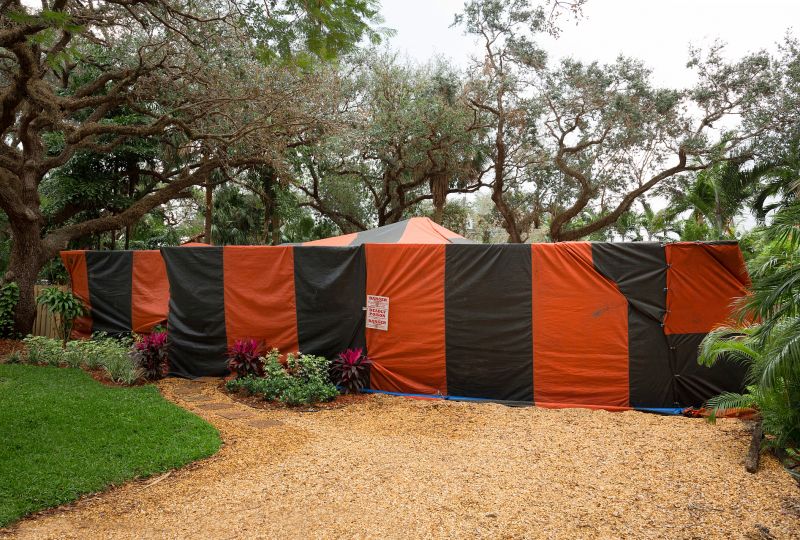
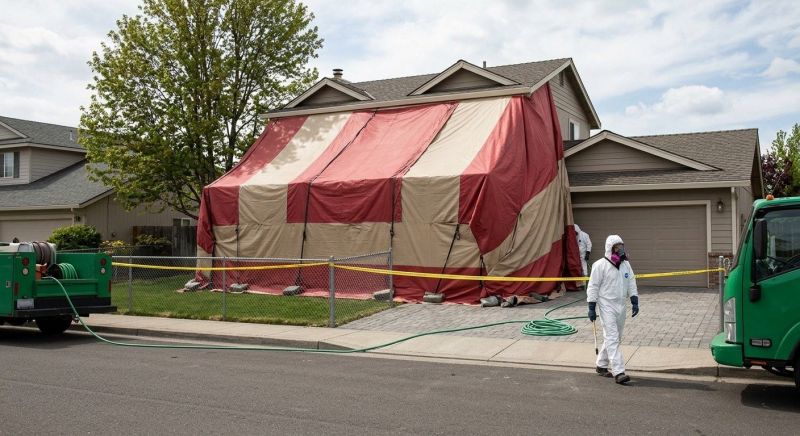
The process involves sealing the structure and releasing gas to eliminate termites effectively.
Property Preparation Tips
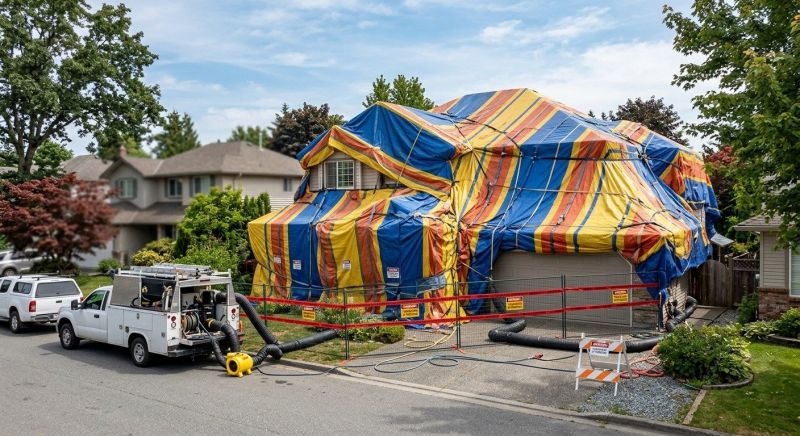
Clear the area around the home and follow specific instructions to ensure safety and effectiveness.
Post-Treatment Care
Ventilate the property thoroughly before re-entering and inspect for signs of remaining termites.
Termite Tenting in Bellingham, WA
Termite tenting services involve enclosing a property in a specialized tent to safely apply a fumigation treatment that eradicates termite colonies. This method is typically used for severe infestations or extensive damage, covering residential homes, multi-unit buildings, and larger properties. Homeowners considering this service should understand that it involves temporarily vacating the premises during treatment, and it is most effective for eliminating termites that have established deep or widespread colonies within the structure.
Before requesting termite tenting, property owners often want to know about preparation requirements, such as removing food, plants, and pets from the premises, as well as the duration of the treatment process. It is also important to consider post-treatment procedures, including ventilation and clearance testing, to ensure the property is safe for re-entry. Understanding these details helps ensure a smooth process and effective termite control.
Many property owners in Bellingham, WA look into Termite Tenting for repairs, replacements, upgrades, and appearance-related improvements.
Common Termite Tenting Jobs
Termite Tenting - a treatment method that involves enclosing a property to eliminate termites.
Infestation Control - effective for eradicating large termite colonies within a home or building.
Pre-Construction Tenting - used to protect new structures from termite damage during construction.
Infestation Prevention - helps protect properties from future termite invasions after treatment.
Structural Pest Control - ensures the integrity of the building by removing subterranean termites.
Residential Tenting Services - tailored solutions for homeowners seeking comprehensive termite protection.

Termite Tenting Questions
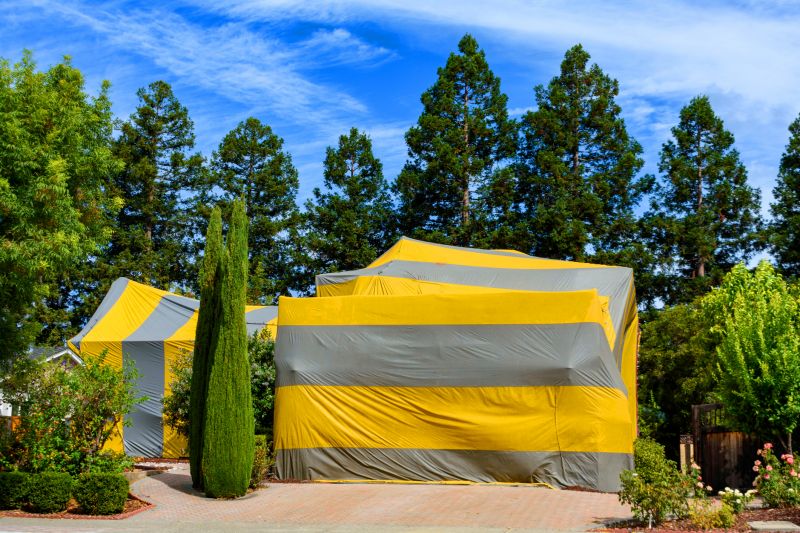
What is termite tenting? Termite tenting involves covering the entire structure with a protective tarp and applying fumigant to eliminate termites inside.
When is tenting recommended? Tenting is typically used when there is a significant termite infestation that cannot be controlled with localized treatments.
Does tenting affect the property’s belongings? Yes, the process requires evacuating the property, and items inside should be protected or removed beforehand.
What should property owners do before tenting? It’s important to clear the area of food, medicines, and personal items, and follow any pre-treatment instructions provided.
Request Termite Tenting in Bellingham, WA
Use the quote form on this page to share the basics of your project and request more information for the type of work you need.